

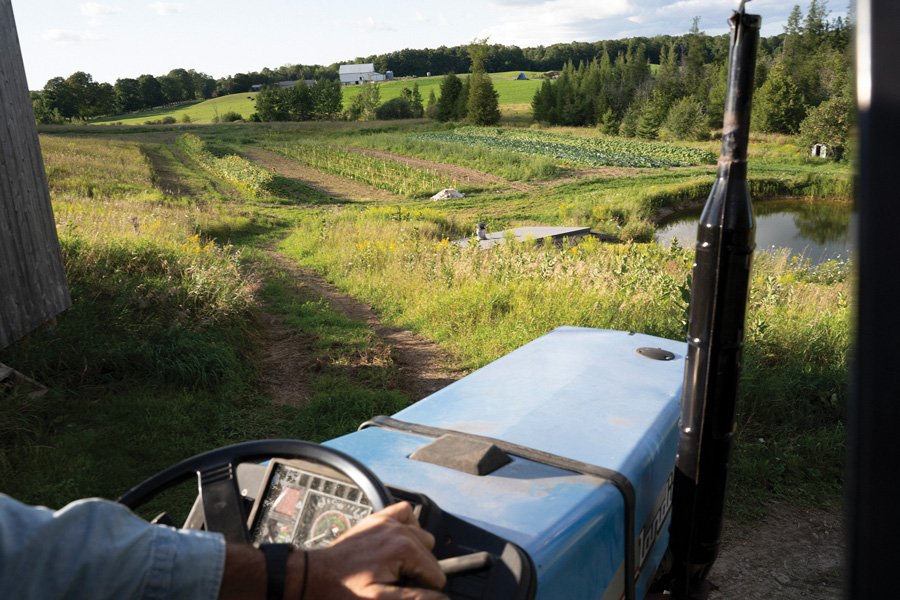
Aldergrove Farm sits on 75 acres north of Mount Forest where Fraser and Glynis have spent more than a decade growing vegetables and flowers, raising a family, and building a life around food. Over the years, the farm has changed considerably, and so have their ideas about what farming should look like. What has remained is a deep commitment to growing good food, caring for the land, and knowing the people who eat what they grow.
For both of them, farming began with the realization that they knew surprisingly little about where food actually came from. Fraser was working in kitchens in Halifax and Montreal, thinking constantly about food from a culinary perspective, when he became involved with a rooftop garden project at Concordia University. As he grew curious about growing food, he also began to realize how little he understood about the systems behind it, and how dependent we had become on something he saw as increasingly broken and fragile.
That curiosity eventually took him to Linnaea Farm on Cortes Island, British Columbia, where he completed an eight-month ecological gardening program and encountered a way of living he describes as deeply transformative — one centred around food and community. Meals came almost entirely from the farm, with raw milk from the family cow and vegetables from the garden that were so flavourful they needed little added to them. The food felt vibrant in a way he hadn’t experienced before, and he remembers feeling healthier in his body. It changed his understanding of what food could be and made him want to raise a family in a place where they could have access to that same kind of nourishment.
Glynis arrived at farming through a strangely parallel experience. While studying at Concordia, she remembers eating lunch at The People’s Potato, a volunteer-run food program, and realizing she couldn’t picture what wheat looked like before it became flour. “This is a problem,” she recalls. She later found a volunteer position at an organic farm near Harriston and quickly fell in love with both the work and the community of other young farmers she met throughout Grey County, like Cedar Down, Green Being, and Burdock Grove.
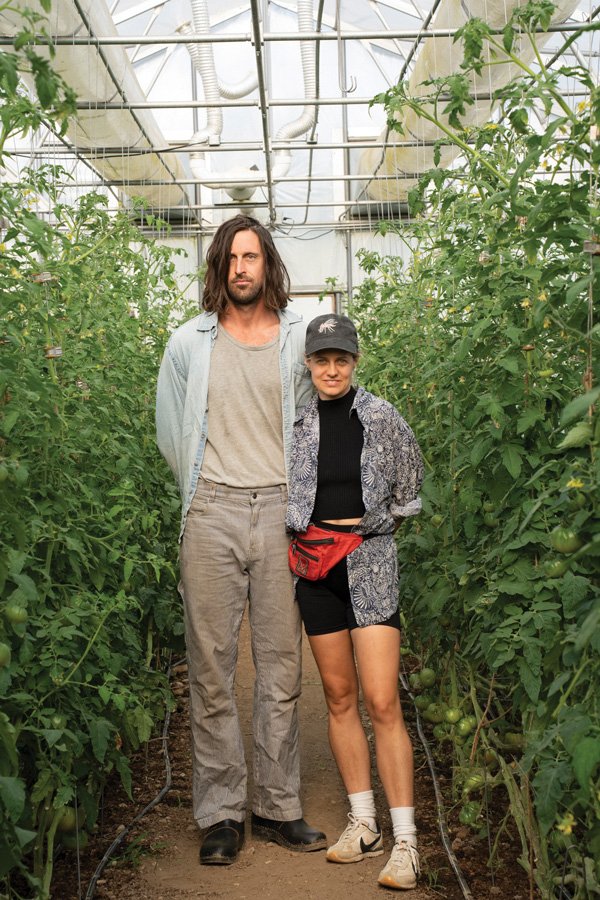
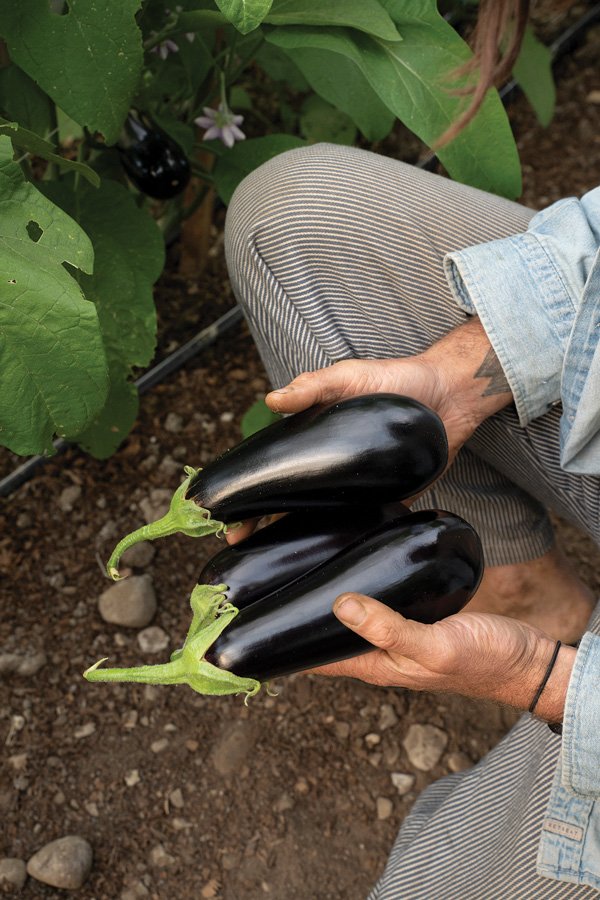
Both Glynis and Fraser had independently tried to start market gardens before putting the idea aside. When they met, the desire was still there. So they tried again, together.
The early years of Aldergrove remain a particularly tender memory for them: just the two of them, a baby, and an old Chevy truck. The farm itself was modest and intensely managed. Like many small vegetable growers of their generation, they adopted a model built around permanent beds, low tillage, dense planting, and producing as much food as possible from a relatively small area. More than ten years later, Fraser is candid about the limitations of that approach.
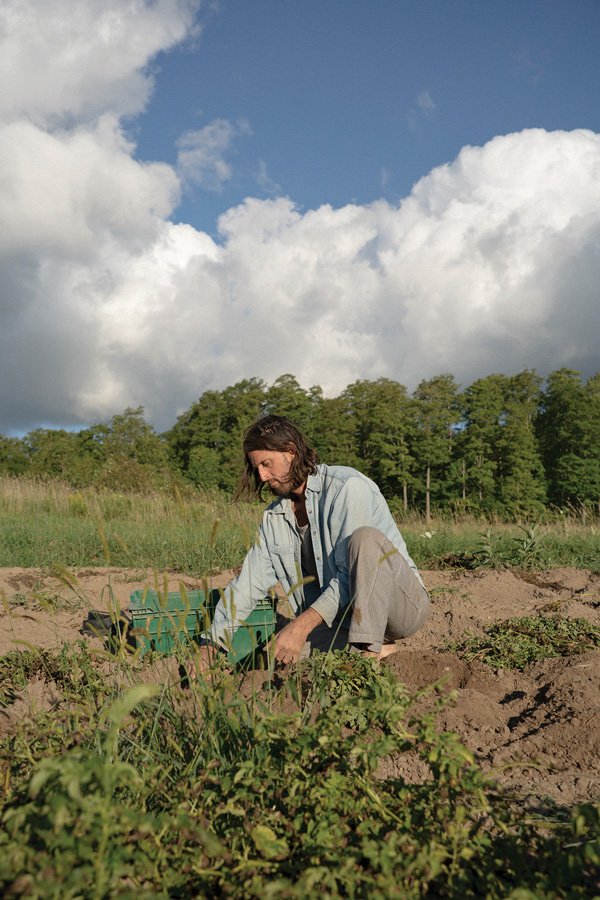
It worked when they were younger and doing much of the labour themselves, but over time the physical demands became difficult to ignore. Harvesting, carrying, planting, and cultivating almost entirely by hand required enormous amounts of human energy. As the farm grew, so did the amount of labour being asked of everyone working there. Sustainability, they realized, had to include the bodies doing the work.
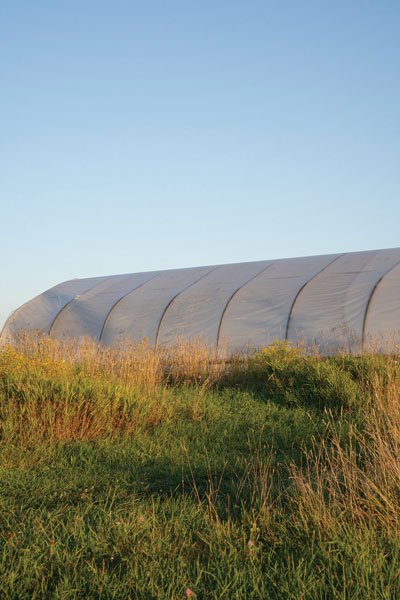
In recent seasons, Aldergrove has begun opening additional fields and introducing more mechanization into planting and cultivation. Intensive growing still makes sense in their greenhouses, flowers, and certain crops, but the farm itself has become more extensive. The principles underneath it haven’t changed: healthy soil, maintaining diversity, growing food without degrading the land.
What has changed is their willingness to question the farming philosophies they once took for granted and to use technology where it can meaningfully reduce labour. Their greenhouses, for example, have shifted from an analog automation system to software that responds to temperature, humidity, local weather data, and the needs of individual crops, even adjusting irrigation so plants receive more water on sunny days and less on cloudy ones.
As Fraser puts it, they are still “growing in soil, under the sun.” The automation simply gives them more time for the countless other jobs a farm demands.
For Glynis, farming eventually produced questions that followed her back to university. One of the most persistent was deceptively simple: why is it so difficult to make a living growing food? That question led her into doctoral work exploring the history of capitalism, but also toward philosophy and ideas about embodiment — what it means to experience the world not simply as a rational mind, but as a living, feeling body. Farming, she realized, had already been teaching her something similar. To tend a crop from seed to harvest is to know it through repetition and touch: through weather, fatigue, soil moisture, changing light, insects, and the subtle differences between one day and the next.
Turning her attention toward embodiment became, for Glynis, a way of holding onto optimism — of remembering that despite the challenges of the current economic system surrounding farming, there is still something deeply beautiful about being alive in a body, in relationship with other people, creatures, and the places we inhabit.
For Fraser and Glynis, the relationships they have built with the people who eat what they grow are the real emotional engine behind Aldergrove.
Glynis admits she isn’t sure either of them would even want to do this work if they were simply growing for wholesale. For the past eleven years, they have fed many of the same people at market, watching children grow up and customers grow older while hearing, week after week, how much the food and the farm have come to mean to them.
The farm has changed alongside their family too. Glynis is careful to say that it may be more accurate to describe the family as shaping Aldergrove than the other way around. What has been possible in any given year has depended on babies, school schedules, temperaments, childcare, and even a global pandemic.
Their children, Ursula and Gertrude, are now reaching an age where they can come to market and genuinely help. Time itself has taken on a different shape after so many seasons. Glynis says that by August, the previous August somehow feels closer than January. Farming creates its own calendar, where memory is organized by recurrence: tomato season remembering tomato season, spring planting calling back to springs before it. Perhaps that is part of what keeps them returning.
Every season offers the familiarity of beginning again, but never quite in the same way. The farm changes. Their children change. Their crew changes. Their methods change. Even their beliefs about farming continue to evolve. What remains is the desire that brought them here in the first place: to participate. To know the food they eat. To raise a family close to its source. To create meaningful work for the people beside them. To feed a community. And each year, when the ground thaws and another growing season begins, they start again.
Kelsey Vansickle is a Canadian photographer working on projects that explore how things are grown, made, and cared for over time.